NEWS AND STORIES
What Every African Child Deserves: Six Pillars, One Responsibility

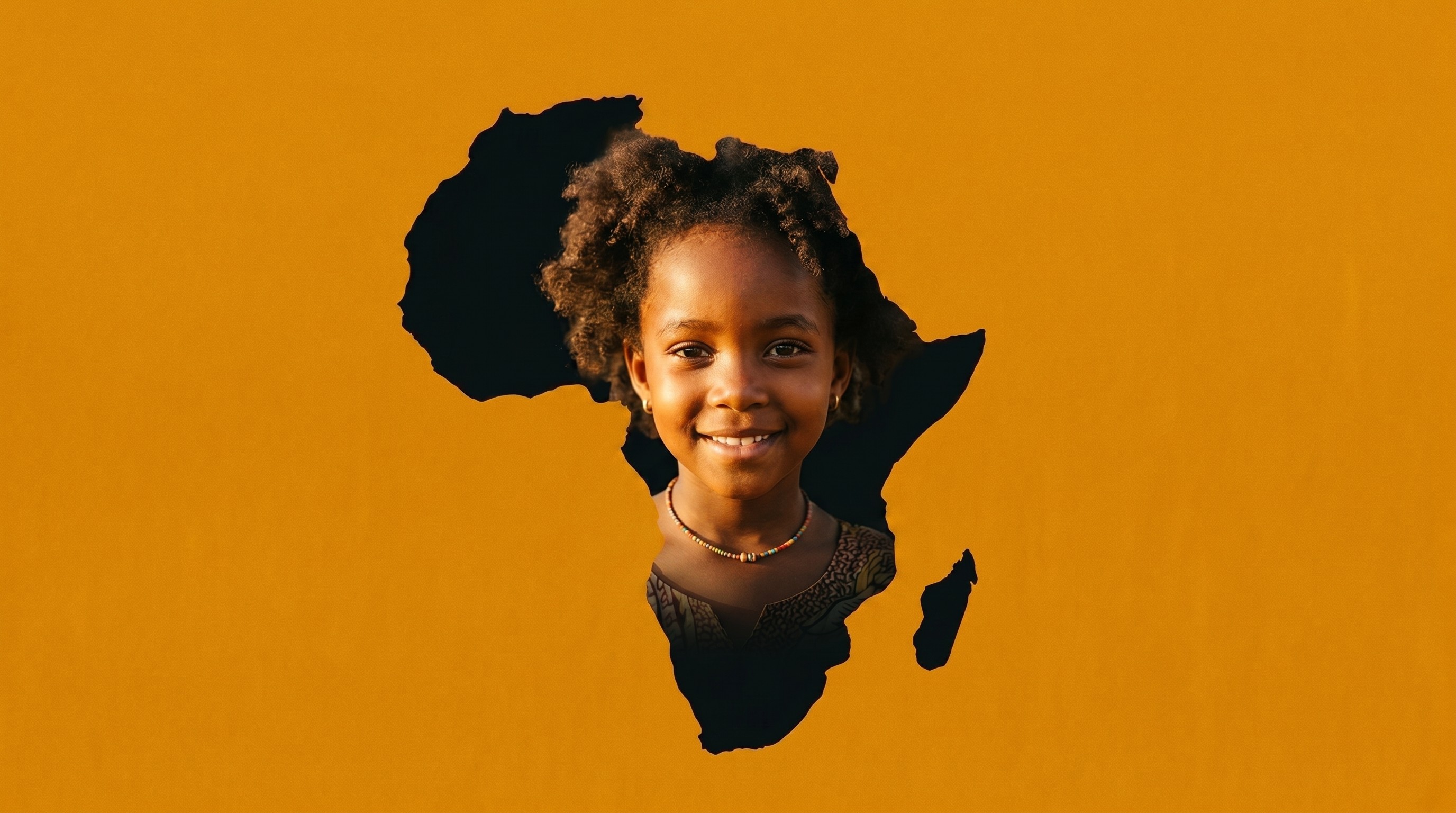
On June 16, 1976, students in Soweto, South Africa, gathered to protest the poor quality of education they were receiving and to demand the right to be taught in their own language. The apartheid regime responded with violence, and some of those students were killed. Since 1991, June 16 has been marked as the Day of the African Child, a reminder that a child's right to education is universal and must be practical, not symbolic. Their voices have reverberated for fifty years. This year's theme “ensuring universal access to water, sanitation, and hygiene for every child in Africa” echoes that a child cannot thrive without the foundations that make learning possible. Quality education also depends on quality teaching, safe learning environments, leadership opportunities, accurate health information, and skills for a changing world. At Standout Foundation, working from The Gambia and expanding across Africa, we see six areas where children consistently need stronger support, and where the systems around them must do better.
1. Access to Education Without Financial Barriers
Education remains one of the strongest predictors for improving life outcomes, and reducing poverty; yet for millions of families, the cost of schooling still determines whether a child stays in class. According to the World Bank African families absorb roughly 27% of total education spending themselves. Only a third of African countries met internationally recommended education funding benchmarks between 2013 and 2023, and that figure dropped to a quarter by 2022 and 2023 based on national data reported to UNESCO. Our scholarship initiatives, including the Tete, Priscilla, and Tech4Tomorrow Scholarships, exist to close that gap, helping children stay in school and build their futures.
2. Teachers Who Are Supported and Trained
Access alone does not make a classroom work. The people teaching in it do. The world will need 44 million additional teachers by 2030, and UNESCO estimates sub-Saharan Africa faces a shortfall of up to 15 million. Through our teacher training and capacity-building work, we invest in educators so classrooms become places of confidence, inclusion and effective learning. When we empower and equip teachers, we are safeguarding education for the next generation .
3. Safe, Inclusive, and Connected Learning Environments
Learning depends on safe classrooms, decent infrastructure, and increasingly, digital access. UNICEF estimates that around 1.3 billion school-age children globally have no internet access at home, and a large share live on the African continent. Standout Foundation works to bridge this divide, because digital equity is now as fundamental to education as a desk or a textbook and digital access is a conversation African children should not be excluded from based on geography or income.
4. Opportunities to Lead and Be Heard
Education that stops at literacy and numeracy is incomplete; education must move beyond textbooks and memorisations while prioritising participation and inclusivity. UNESCO points to communication, critical thinking, and other soft skills as essential to young people's futures. Through inclusive debate, sports, and leadership programmes, Standout Foundation creates spaces where children build the confidence to lead and the platforms to be seen and heard for impact..
5. Health Information and Wellbeing
Health education is foundational to dignity and safety. The WHO estimates that adolescents aged 15 to 19 in low- and middle-income countries account for around 21 million pregnancies a year, about half unintended. UNICEF also reports significant gaps in menstrual health education for adolescent girls; in countries like The Gambia, stigma and missed school contribute to up to 40-50 lost school days a year. Ensuring children have access to accurate, age-appropriate health information is a shared responsibility which Standout Foundation carries out through our programs.
6. Skills for a Changing Future
The future of work is shifting fast, driven by technology, AI, and digital transformation, and Africa's children cannot be left on the margins of that shift. Gender gaps in STEM remain stark: women hold only around 18% of leadership roles in AI. Through STEM education and the Tech4Tomorrow Scholarship, Standout Foundation is preparing today's children for the future children to build digital literacy, problem-solving skills, and confidence in technology, working to close that gap from the classroom up.
A Shared Responsibility Beyond Commemoration
This International Day of the African Child, Standout foundation is committed to creating a future where every child regardless of their background or abilities have access to quality education, enabling them to reach their full potential. Join us today as we expand opportunities for children across Africa.
This International Day of the African Child, join us in creating that future. Support a scholarship, share this article, or learn more about our work and how you can help expand opportunities for children across Africa.
Credit:
Jessica Ireju
Head of Communications, Standout Foundation
